End of Tenancy Cleaning in – A Practical, SEO-Friendly Approach to a Stress-Free Move
Why End of Tenancy Cleaning Matters

End of tenancy cleaning in is one of the most important tasks tenants face when moving out of a rented property. Whether you are leaving a flat, house, studio, or shared accommodation, a thorough cleaning can make the difference between a smooth handover and disputes over the deposit. Landlords and letting agents often expect the property to be returned in the same clean condition as it was at the start of the tenancy, allowing for fair wear and tear.
For many renters, the final days of a tenancy are stressful. There is packing, paperwork, utilities, and moving logistics to manage, so end of tenancy cleaning can feel like a major burden. However, this process is not just about making the property look tidy. It involves deep cleaning every room, removing limescale, tackling grease, polishing surfaces, and ensuring the property is ready for the next occupants. A properly completed end of tenancy cleaning in can save time, reduce conflict, and support a quicker deposit return.
It also matters because cleanliness sets the standard for the next stage of the rental cycle. Letting agencies often use inventory reports and check-out inspections to compare the condition of the home against the original inventory. If the property does not meet the expected level of cleanliness, deductions can be made. That is why many tenants now search for reliable end of tenancy cleaning in services that focus on detail, efficiency, and professional results.
What End of Tenancy Cleaning Includes
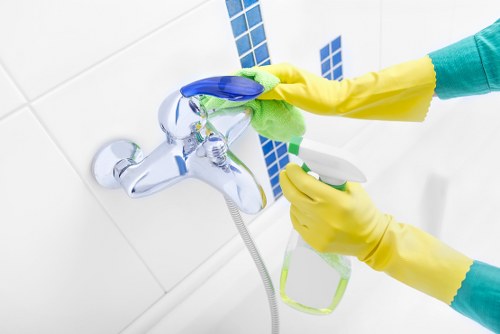
Unlike regular house cleaning, end of tenancy cleaning is a deeper and more detailed process. It targets areas that are often overlooked during routine cleaning, including behind appliances, inside cupboards, skirting boards, door frames, and bathroom fixtures. The goal is to restore the property to a highly presentable standard.
Typical tasks involved in end of tenancy cleaning in include:
- Deep cleaning kitchens, including ovens, hobs, extractor fans, and cabinets
- Scrubbing bathrooms to remove soap scum, limescale, and mildew
- Vacuuming and mopping floors thoroughly
- Dusting all surfaces, shelves, and ledges
- Cleaning internal windows, sills, and frames
- Wiping switches, sockets, doors, and handles
- Removing cobwebs and hidden dust
- Refreshing carpets and upholstery where required
This level of detail is what separates end-of-tenancy work from ordinary weekly cleaning. Professional cleaners often use specialist equipment and strong yet safe products to handle tough stains and built-up grime. For tenants who want to meet inspection standards, investing in end of tenancy cleaning in can be a practical decision.
Kitchen Cleaning: The Most Demanding Area

The kitchen is usually the most challenging room when it comes to end of tenancy cleaning in. Grease, food residue, splashes, and limescale can build up over time, especially in busy households. Landlords and inventory clerks often pay close attention to this room because it reveals how well the property has been maintained.
A proper kitchen clean typically includes the inside and outside of cupboards, the oven, microwave, fridge, freezer, sink, taps, splashbacks, and worktops. The hob and extractor fan often require extra attention due to heavy grease deposits. If appliances were included in the tenancy, they should be cleaned thoroughly and left in a sanitary condition.
End of tenancy cleaning in the kitchen may also include degreasing tiles, sanitising bins, and removing stains from walls and surfaces. A polished kitchen makes an immediate impression during the final inspection. It is also one of the best ways to show that the property has been cared for properly, even if daily use has caused some natural wear.
Helpful kitchen checklist
- Clean inside and outside of all cabinets
- Degrease extractor fans and cooker hoods
- Descale taps and sink fittings
- Polish chrome and stainless-steel surfaces
- Remove crumbs and debris from corners and edges
Bathroom Standards and Common Problem Areas
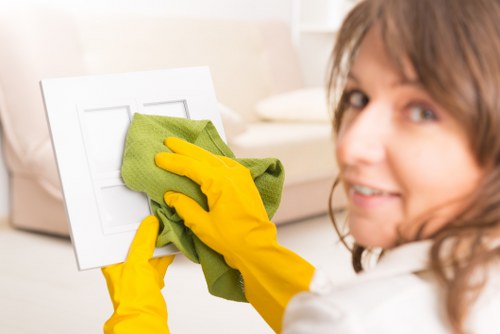
Bathrooms require careful attention during end of tenancy cleaning in because limescale, mould, and soap residue can quickly create a neglected appearance. A sparkling bathroom suggests the home has been well maintained and gives landlords confidence that the tenancy ended on a positive note.
Attention should be given to the toilet, bathtub, shower screen, tiles, sink, taps, mirrors, and any storage units. Hard water marks and mineral deposits can be especially difficult to remove without the right products. That is why deep bathroom cleaning is often one of the main reasons tenants choose professional help for end of tenancy cleaning.
It is also important to clean extractor fans, light switches, skirting boards, and the areas behind the toilet and under the sink. These smaller spaces are easy to miss, but they matter during an inspection. A thorough end of tenancy cleaning process helps ensure that no detail is overlooked and that the bathroom appears fresh, hygienic, and ready to use.
Bathroom tasks that often affect deposit returns
- Removing limescale from taps, shower heads, and screens
- Disinfecting toilet bowls, seats, and flush buttons
- Cleaning grout lines and tile surfaces
- Polishing mirrors and glass
- Removing hair and residue from drains and plugs
Living Rooms, Bedrooms, and Hallways

While kitchens and bathrooms tend to be the most demanding, living areas are equally important in end of tenancy cleaning in. Living rooms, bedrooms, hallways, and staircases often collect dust, fingerprints, marks, and everyday debris. These spaces may seem simple to clean, but inspections frequently reveal missed spots such as skirting boards, curtain rails, and light fittings.
In bedrooms, the focus should be on wardrobes, bedside furniture, under beds, windows, and radiators. In living rooms, it is important to clean shelves, television stands, fireplaces, and any built-in storage. Hallways and staircases require vacuuming, dusting, and attention to bannisters, rail edges, and corners where dirt can settle.
End of tenancy cleaning in these areas should also include removing marks from walls where possible, wiping down switches and handles, and ensuring floors are free from stains and dust. If carpets are part of the property, they should be vacuumed deeply and, if necessary, professionally cleaned. Clean and fresh living spaces help create a strong final impression for the landlord or agent.
Why Professional End of Tenancy Cleaning Is Worth Considering
Many tenants try to handle end of tenancy cleaning on their own, and in some cases that can work. However, professional cleaning services bring expertise, tools, and experience that are difficult to match with standard household supplies. Professionals know what letting agents look for and understand the expected standard during a check-out inspection.
One major advantage of hiring experts for end of tenancy cleaning in is efficiency. What may take a tenant an entire weekend can often be completed more quickly and to a higher standard by a trained team. This can be especially helpful if you are juggling a move, work commitments, or family responsibilities. Professional cleaners also bring specialist detergents, steamers, and carpet care tools that can make a noticeable difference.
There is also peace of mind. A professionally cleaned property is more likely to pass inspection with fewer issues, which can reduce the risk of disputes about cleaning-related deductions. For tenants looking for a reliable way to finish a tenancy well, booking end of tenancy cleaning can be a smart and practical move. Book your service now if you want to reduce moving stress and improve your chances of a clean handover.
Key benefits of professional cleaning
- Higher cleaning standards
- Time saved during a busy moving period
- Reduced stress before final inspection
- Better chance of receiving the full deposit back
- Access to specialist equipment and techniques
How to Prepare for End of Tenancy Cleaning
Good preparation can make end of tenancy cleaning in much more effective. Before starting, it is wise to declutter the property and remove all personal belongings. Cleaning is much easier when surfaces, cupboards, and floors are free from boxes and packing materials. This also allows cleaners to reach hidden areas that may otherwise be missed.
It helps to check your tenancy agreement before beginning. Some contracts include specific cleaning clauses, such as professional carpet cleaning or oven cleaning. Knowing these requirements in advance means you can plan accordingly and avoid surprises during the final inspection. If the agreement states that the property must be professionally cleaned, arranging a specialist end of tenancy cleaning service may be the safest route.
You should also take meter readings, take photos of the property, and keep receipts if you hire a cleaning company. These records can be useful if any questions arise later. A well-prepared approach to end of tenancy cleaning shows responsibility and helps ensure a smoother move-out experience.
Preparation tips before cleaning begins
- Remove all rubbish and personal items
- Unpack cupboards and storage spaces
- Defrost freezers if required
- Gather cleaning products and equipment
- Check the inventory and tenancy agreement
Common Mistakes Tenants Make During End of Tenancy Cleaning
Even well-intentioned tenants can make mistakes when attempting end of tenancy cleaning in. One common issue is cleaning only visible areas while overlooking hidden spaces such as under appliances, behind radiators, or inside drawers. These missed areas can easily be flagged during inspection.
Another mistake is using the wrong cleaning products. Harsh chemicals can damage surfaces, while mild products may not be strong enough to remove limescale, grease, or mildew. Choosing the right method for each surface is important if you want a professional finish. In some cases, tenants also forget to allow enough drying time for floors, carpets, or bathrooms, leaving the property looking less polished than expected.
Some people also assume that regular vacuuming and surface wiping are enough. However, end of tenancy cleaning usually requires much more detailed work. Avoiding shortcuts is essential if you want to meet the standards expected by landlords and letting agents. A careful, room-by-room strategy is always more effective than rushing through the property.
The Role of Check-Out Inspections
Check-out inspections are a major part of the tenancy ending process, and they play a large role in determining whether the deposit is returned in full. The inspection compares the current condition of the property against the original inventory and move-in report. Because of this, end of tenancy cleaning in needs to align with documented expectations rather than personal assumptions about what is clean enough.
Landlords and agents generally look for signs that the property is empty, tidy, hygienic, and in a state suitable for the next tenant. Smudged glass, dusty shelving, dirty ovens, or stained bathroom fittings can become reasons for concern. That is why many renters choose a professional end of tenancy cleaning service before the inspection date.
When the home is cleaned to a high standard, the inspection is more likely to proceed smoothly. This can reduce the chance of disputes and speed up the closing process. If your priority is protecting your deposit, then a careful and organised end of tenancy cleaning plan is one of the smartest steps you can take.
Inspection-focused priorities
- Remove visible dust and dirt from all rooms
- Clean appliances inside and out
- Ensure bathrooms are sanitised and fresh
- Leave floors vacuumed and mopped
- Double-check cupboards, shelves, and corners
End of Tenancy Cleaning for Different Property Types
Not every property requires the same approach to end of tenancy cleaning in. A small studio apartment may need a faster, more compact clean, while a larger family house may involve multiple bathrooms, several bedrooms, and more extensive floor areas. Shared homes can also be more complex because different tenants may be responsible for different spaces.
For furnished properties, extra care is often needed around sofas, tables, mattresses, and wardrobes. These items can collect dust and stains over time, and they should be cleaned in accordance with the tenancy agreement. Unfurnished properties may have fewer furnishings to manage, but they still require a deep focus on kitchens, bathrooms, floors, and hard-to-reach areas.
End of tenancy cleaning should be adapted to the size, layout, and condition of the property. A tailored approach ensures that every important area is covered and that no room is left behind. Whether you are leaving a modern apartment or an older house, the goal remains the same: present the property in its best possible condition.
Why Local Searches for End of Tenancy Cleaning Matter
When people search online for end of tenancy cleaning in, they are often looking for a service that is quick to book, close by, and familiar with local rental expectations. Local providers can offer better flexibility and faster scheduling, which is particularly useful when move-out dates are fixed and time is limited.
Local search terms also help people find cleaners who understand the common standards applied by regional letting agencies and landlords. This can be useful when choosing a team for end of tenancy cleaning, since expectations may differ slightly depending on the property market. A nearby provider may also be more likely to offer helpful availability around weekends, evenings, or last-minute bookings.
Using location-based search phrases improves visibility for both readers and businesses. From an SEO perspective, end of tenancy cleaning content that includes location intent helps attract people who are ready to act. From a customer perspective, it makes the booking process simpler and more relevant. If you are preparing to move soon, now is the right time to contact us today and arrange a service that fits your deadline.
Final Thoughts on a Cleaner, Easier Move-Out
End of tenancy cleaning in is more than just another moving task. It is a crucial part of finishing a tenancy responsibly and leaving the property in a condition that supports a fair and smooth handover. From kitchens and bathrooms to bedrooms and hallways, every part of the property benefits from detailed attention.
Whether you choose to clean the property yourself or hire professionals, the key is to work methodically and focus on the details that matter most. Clean appliances, dust-free surfaces, fresh bathrooms, and well-presented living spaces all contribute to a positive result. A strong approach to end of tenancy cleaning can help protect your deposit and reduce the stress of moving day.
If you want an easier way to manage the final stage of your tenancy, consider arranging a professional service that understands inspection standards and cleaning expectations. Book your service now and take the next step toward a smooth, well-organised move-out. With the right support, end of tenancy cleaning becomes less of a challenge and more of a straightforward part of the transition.