Regular Cleaning in Homes, Offices, and Shared Spaces: Why It Matters and How to Do It Right
Regular cleaning is one of the simplest ways to create healthier, more comfortable, and more attractive spaces. Whether you manage a home, run a workplace, or care for a shared property, consistent regular cleaning helps reduce clutter, control germs, preserve surfaces, and support everyday well-being. It is not just about appearance; it is about creating an environment that feels calm, functions better, and lasts longer.
Many people think cleaning is something to do only when a space looks dirty. In reality, regular cleaning works best as a routine. When dust, spills, and mess are handled before they build up, the task becomes easier, faster, and more effective. That means less stress, fewer deep-clean emergencies, and a more pleasant environment for everyone.
In today’s busy world, finding time for regular cleaning can be challenging. Yet the benefits are worth the effort. Clean spaces can improve focus, reduce allergens, protect investments in furniture and flooring, and make daily life feel smoother. This article explores the importance of regular cleaning, the best ways to approach it, and practical tips for maintaining excellent results throughout the year.
Why Regular Cleaning Is Essential for Every Space
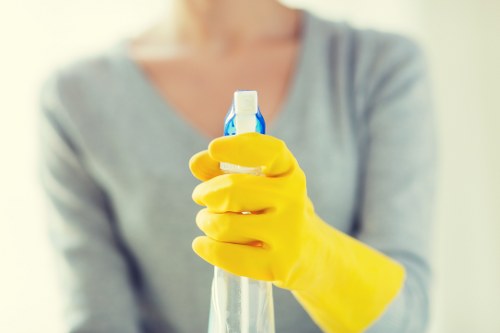
Regular cleaning plays a major role in keeping spaces healthy and functional. Dust, bacteria, pet dander, food particles, and moisture can quickly accumulate if surfaces are ignored. Over time, this buildup can lead to odors, stains, allergens, and even damage to materials such as wood, fabric, tile, or stainless steel. By staying consistent, you prevent small issues from turning into expensive problems.
Another key reason regular cleaning matters is hygiene. Kitchens, bathrooms, workstations, and entryways are high-touch areas where germs can spread easily. Simple daily or weekly cleaning habits help lower the risk of contamination and make spaces safer for family members, employees, and visitors. A cleaner environment also supports mental comfort, because people tend to feel more relaxed in tidy surroundings.
Regular cleaning is also an investment in property value and longevity. When floors are swept, upholstery is vacuumed, and counters are wiped down routinely, materials wear out more slowly. This can reduce repair costs and delay the need for replacement. In homes and businesses alike, consistent care adds up to better presentation and better performance.
Key Benefits of Regular Cleaning
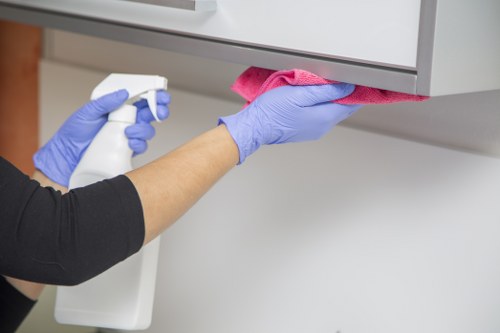
There are many reasons people commit to regular cleaning, but the biggest advantages usually fall into a few important categories. These benefits apply to households, offices, retail environments, and multi-use buildings.
- Healthier air quality: Removing dust and allergens helps improve indoor air.
- Reduced germs: Sanitizing surfaces lowers the spread of bacteria and viruses.
- Better organization: Clean spaces are easier to navigate and use efficiently.
- Longer-lasting materials: Floors, carpets, appliances, and fixtures stay in better condition.
- Improved appearance: A neat environment creates a positive impression.
- Less stress: Clutter-free spaces can feel calmer and more manageable.
Regular cleaning can also improve productivity. In offices, a clean desk and sanitized common area help employees stay focused. In homes, routine cleaning reduces the time spent searching for items or dealing with avoidable mess. When everything has a place and surfaces stay maintained, daily routines become smoother.
For businesses, regular cleaning can support brand reputation. Customers often notice cleanliness right away, and it influences how they view quality, professionalism, and attention to detail. Even small details, such as a polished floor or spotless entryway, can make a strong difference.
Regular Cleaning vs. Deep Cleaning

Many people use the terms interchangeably, but regular cleaning and deep cleaning are not the same. Understanding the difference helps create a better maintenance plan. Regular cleaning focuses on routine tasks that keep a space tidy and sanitary on a day-to-day or week-to-week basis. Deep cleaning goes further, targeting hidden grime, buildup, and neglected areas.
Regular cleaning usually includes tasks such as wiping counters, sweeping floors, emptying trash, cleaning sinks, vacuuming visible dirt, and disinfecting high-touch points. Deep cleaning may involve moving furniture, scrubbing grout, cleaning behind appliances, washing baseboards, and detailing hard-to-reach areas.
A balanced routine should include both. If you rely only on deep cleaning, spaces may become overwhelming and harder to maintain. If you only do surface cleaning, dirt can accumulate in unnoticed places. The best results come from combining regular cleaning with scheduled deep-clean sessions.
When to Use Each Approach
Regular cleaning is ideal for maintenance. Deep cleaning is ideal for reset and restoration. For example:
- Use regular cleaning daily in kitchens and bathrooms.
- Use weekly cleaning in living rooms, offices, and bedrooms.
- Use monthly or seasonal deep cleaning for carpets, vents, windows, and hidden corners.
Creating a Regular Cleaning Routine That Actually Works
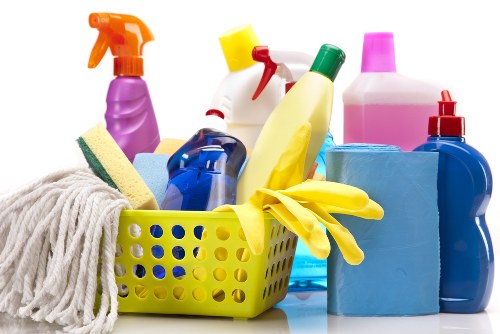
The most effective regular cleaning routine is one that fits the space, the schedule, and the people using it. A good routine does not need to be complicated; it needs to be realistic and repeatable. Start by identifying the areas that need attention most often, then assign tasks by frequency.
A practical routine might include daily, weekly, and monthly responsibilities. Daily tasks are small but important, such as wiping spills, putting items away, and sanitizing counters. Weekly tasks can include vacuuming, dusting, bathroom cleaning, and mopping. Monthly tasks may focus on appliances, storage areas, or overlooked surfaces.
To keep regular cleaning from becoming overwhelming, break larger jobs into smaller steps. For example, instead of cleaning the entire kitchen in one effort, divide it into counters, sink, appliances, and floors. Small wins help keep motivation high and make maintenance easier to sustain over time.
Helpful Routine-Building Tips
- Set reminders for recurring cleaning tasks.
- Keep cleaning tools in accessible locations.
- Use checklists for homes, offices, or shared spaces.
- Assign responsibilities when multiple people share the area.
- Focus on consistency rather than perfection.
Regular cleaning becomes much easier when everyone understands what needs to be done and when. Even a simple schedule can prevent confusion and reduce last-minute stress.
Regular Cleaning Tips for Different Areas of a Property
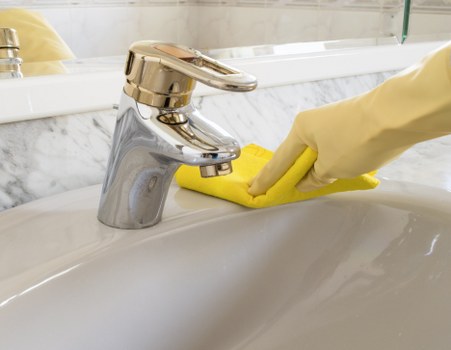
Every room has different cleaning needs, and a smart regular cleaning plan accounts for those differences. Kitchens, bathrooms, bedrooms, living rooms, and offices all require unique attention based on use and exposure.
Kitchen Cleaning
The kitchen often needs the most frequent attention because it is used for food preparation. Regular cleaning in the kitchen should include wiping counters, sanitizing sinks, sweeping floors, cleaning appliances, and removing food debris quickly. Spills should be handled immediately to avoid stains and bacteria growth.
Bathroom Cleaning
Bathrooms require consistent sanitation because moisture encourages buildup. Clean sinks, toilets, mirrors, and fixtures regularly. Dry surfaces when possible to reduce mildew and soap scum. Regular cleaning in bathrooms also includes restocking essentials and checking for leaks or odors.
Living Room and Bedroom Cleaning
These areas benefit from dusting, vacuuming, and decluttering. Wash bedding regularly, vacuum under furniture when possible, and avoid letting small items pile up. A tidy bedroom supports better rest, while a clean living room makes the space more welcoming.
Office and Workspace Cleaning
In offices, regular cleaning supports focus and professionalism. Desks, keyboards, shared tables, and break areas should be cleaned often. Trash should be removed before it overflows, and common touchpoints should be sanitized routinely.
Small Habits That Make a Big Difference
Simple habits can improve results significantly. Put items back after use, clean spills right away, and do a quick reset at the end of the day. These actions support regular cleaning without requiring large blocks of time.
The Role of Tools and Supplies in Regular Cleaning
Good tools make regular cleaning more efficient and more effective. You do not need an overly large supply closet, but you do need the right basics. Microfiber cloths, a reliable vacuum, a mop, scrub brushes, disinfectant, all-purpose cleaner, gloves, and trash bags are standard essentials in many settings.
Choosing the right tools also helps protect different surfaces. For example, using gentle cleaners on delicate materials prevents damage, while sturdy brushes help remove grime from harder surfaces. Regular cleaning is easier when supplies are organized and easy to find.
Proper storage matters too. When products are labeled and placed in one location, the cleaning process becomes faster. It is also important to follow safety instructions and store chemicals away from children or unauthorized users. A clean space should also be a safe space.
Recommended Basic Cleaning Kit
- Microfiber cloths
- Multi-surface cleaner
- Glass cleaner
- Disinfecting wipes or spray
- Vacuum cleaner or broom
- Mop and bucket
- Toilet brush and bathroom scrubber
- Trash liners and gloves
With the right tools in place, regular cleaning becomes less of a chore and more of a manageable routine.
Regular Cleaning and Health: A Strong Connection
Clean spaces do more than look good; they support healthier living and working conditions. Dust, pet hair, pollen, and mold spores can accumulate indoors and trigger allergies or breathing discomfort. Regular cleaning helps reduce these irritants before they become a bigger problem.
Sanitation is equally important. High-touch areas such as door handles, switches, shared desks, faucets, and counters can carry germs from one person to another. Routine disinfecting helps lower the risk of spreading illness, especially in busy households or collaborative workplaces. This is one of the most valuable long-term benefits of regular cleaning.
There is also a mental health connection. A cluttered or dirty space can add to feelings of overwhelm, while a neat environment often feels more peaceful. People frequently find it easier to think clearly and relax when their surroundings are clean and organized. That is why regular cleaning supports both physical and emotional comfort.
Why Clean Spaces Feel Better
- They reduce visual stress.
- They make routines easier to follow.
- They create a sense of control.
- They make social and work interactions more pleasant.
How Businesses Benefit from Regular Cleaning
For businesses, regular cleaning is more than upkeep; it is part of operations, safety, and customer experience. Whether it is a retail store, office, clinic, restaurant, or shared facility, cleanliness affects how people judge the business from the moment they walk in.
A tidy workplace can help employees feel more respected and supported. Clean desks, organized common areas, and hygienic restrooms contribute to a better work environment. Clients and customers also notice when a business invests in maintenance. This can strengthen trust and encourage repeat visits.
Another important factor is compliance. Some industries require strict cleanliness practices to meet health and safety standards. In these environments, regular cleaning is not optional. It is part of reducing risk, maintaining operations, and protecting everyone who enters the space.
Regular cleaning can also help businesses save money. Preventive care reduces wear and tear, lowers the need for emergency cleanups, and helps preserve assets. Over time, the return on consistent cleaning is often much greater than the effort invested.
Common Mistakes to Avoid with Regular Cleaning
Even with good intentions, some cleaning habits can reduce effectiveness. Avoiding common mistakes helps your regular cleaning routine deliver better results.
- Cleaning too rarely: Waiting until a space looks dirty makes the job harder.
- Using the wrong products: Harsh or unsuitable cleaners may damage surfaces.
- Skipping high-touch areas: Handles, switches, and shared surfaces should never be ignored.
- Not cleaning tools: Dirty cloths, mops, or vacuum filters can spread dirt instead of removing it.
- Failing to stay consistent: Sporadic effort leads to buildup and more work later.
Another mistake is focusing only on visible areas. Regular cleaning should include corners, baseboards, under furniture, and behind items when possible. Small details matter because they influence both cleanliness and overall freshness.
When you avoid these errors, regular cleaning becomes more efficient and more rewarding. The space stays presentable longer, and maintenance tasks remain manageable.
Seasonal and Monthly Regular Cleaning Priorities
While daily and weekly cleaning keeps things under control, monthly and seasonal tasks make sure the bigger picture stays in order. Regular cleaning should include these less frequent responsibilities as well.
Monthly Priorities
- Dust vents and ceiling corners
- Clean light fixtures
- Wipe baseboards and door frames
- Refresh storage areas
- Clean behind movable furniture
Seasonal Priorities
- Wash windows and screens
- Clean carpets and rugs more thoroughly
- Rotate or inspect mattresses
- Declutter seasonal items
- Check for moisture, mildew, or pest signs
These tasks help maintain a strong level of cleanliness throughout the year. They also support the everyday work of regular cleaning by addressing the areas that are easy to overlook. When seasonal tasks are ignored, the property may start to feel neglected even if surface cleaning is being done.
Making Regular Cleaning Sustainable Long-Term
The best regular cleaning routine is one you can maintain. Sustainability comes from simple habits, realistic expectations, and a system that fits your lifestyle or business structure. If the routine is too complicated, it is less likely to last.
Start with the most important tasks and build from there. Create a rhythm that matches the space and the schedule. For families, this might mean short daily resets and a weekly rotation of chores. For businesses, it could mean a morning cleaning checklist, a midday touch-up, and an end-of-day reset. The key is consistency.
It also helps to review the routine from time to time. As needs change, your regular cleaning plan should adapt. A new pet, a busier office, or a seasonal shift may require more attention in some areas and less in others. Staying flexible ensures the routine remains practical.
Regular cleaning is not about perfection. It is about steady care that keeps spaces usable, healthy, and pleasant. Small actions repeated consistently can make a major difference over time. That is what makes routine maintenance so valuable.
Final Practical Tips
- Keep a short list of priority tasks visible.
- Use timers to stay focused and avoid burnout.
- Reward consistency with a cleaner, calmer environment.
- Don’t wait for messes to multiply before acting.
If you want a cleaner, fresher, and more organized environment, now is the time to take action. Contact us today to keep your space looking its best, or book your service now to make regular cleaning easier and more consistent.
In the end, regular cleaning is one of the most practical habits for maintaining comfort, hygiene, and long-term value. It supports healthier air, better organization, stronger presentation, and less stress. Whether you are caring for a home or managing a workplace, the benefits of regular cleaning are clear, lasting, and well worth the effort.