Oven Cleaning in Your Home: A Practical, Search-Friendly Approach to a Sparkling Kitchen
Why Oven Cleaning Matters for Every Household

Oven cleaning is one of those household tasks that is easy to delay and hard to ignore once buildup starts affecting how your kitchen performs. Whether you cook daily or only on weekends, a clean oven helps your food taste better, reduces smoke, and keeps your appliance working more efficiently. For many homeowners, oven cleaning in the home is not just about appearance; it is also about hygiene, safety, and long-term appliance care.
When grease, burnt food, and carbon deposits collect inside the oven, they can create unpleasant odors and even interfere with temperature control. Over time, that residue can bake onto the walls, racks, door glass, and heating elements, making the appliance harder to maintain. Regular oven cleaning helps prevent these issues before they become expensive or time-consuming.
In busy kitchens, the oven often takes the brunt of spills, splatters, and roasting drips. If you enjoy baking, grilling, or preparing family meals, you already know how quickly the interior can become dirty. A smart oven cleaning routine keeps the appliance looking fresh while supporting better cooking results. Cleaner oven, better cooking, less stress—that simple formula makes a real difference.
Common Signs Your Oven Needs Cleaning

Many people wait until the oven looks visibly dirty before taking action, but there are several signs that indicate it needs attention sooner. Strong odors, dark smoke during preheating, stubborn stains on the glass, and uneven heating are all common clues. If you notice any of these issues, oven cleaning should move to the top of your to-do list.
Another sign is a sticky or greasy film around the oven door handle, control area, or side panels. These surfaces often get overlooked, yet they collect residue over time and can make the whole appliance feel unclean. Deep oven cleaning can restore both function and appearance, especially when grime has built up in hidden corners.
Food safety is also part of the picture. Burnt-on residue can release odors and particles when heated, which may affect the flavor of your meals. If your oven has not been cleaned in a while, you may also see crumbs, spills, or hardened grease around the bottom tray or beneath removable parts. The earlier you address these issues, the easier oven cleaning becomes.
Preparing for Oven Cleaning the Right Way
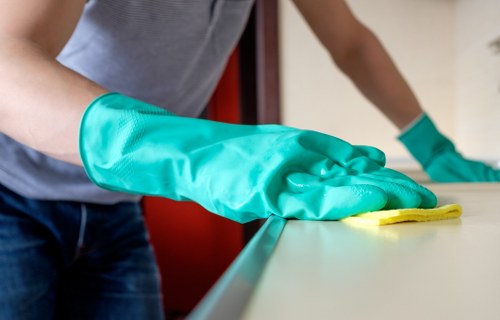
Before starting any oven cleaning job, preparation is essential. Begin by turning the oven off completely and allowing it to cool. Remove all racks, trays, thermometers, and any loose accessories so you can clean every accessible area. If your appliance has a self-cleaning mode, check the manufacturer’s instructions before using it, as some models require special care.
Once the oven is cool and empty, gather your supplies. You may need warm water, a soft cloth, a sponge, microfiber towels, baking soda, white vinegar, a plastic scraper, and a non-abrasive cleaner. Choosing the right products matters because harsh chemicals or abrasive tools can damage surfaces and leave scratches. Safe oven cleaning always starts with proper materials.
It is also helpful to protect the surrounding area. Place a towel or old cloth on the floor in front of the oven to catch drips. If your kitchen is small, open a window for ventilation. Good preparation makes oven cleaning more efficient and reduces mess, which is especially useful if you are cleaning a heavily used appliance.
Step-by-Step Oven Cleaning Methods
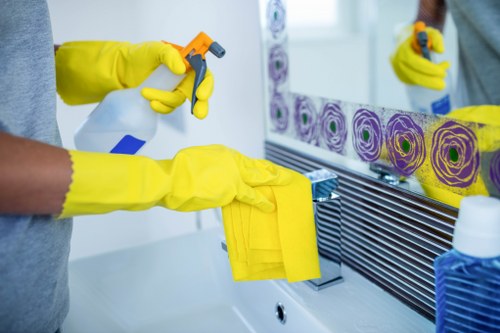
There are several effective ways to approach oven cleaning, and the best method depends on how dirty the appliance is. A light cleaning may only require warm soapy water and a cloth, while a heavily soiled oven may need a paste-based treatment or a more targeted degreasing solution. The key is to work methodically and avoid rushing through the process.
For routine maintenance, remove loose crumbs first, then wipe the interior with a damp cloth. If grease is present, apply a gentle cleaner and let it sit for a few minutes before wiping. The inside walls, base, ceiling, and door should all be included in your oven cleaning routine. Small amounts of regular care prevent major buildup later.
For tougher stains, create a baking soda paste by mixing baking soda with a small amount of water. Spread it on problem areas and leave it overnight if needed. The next day, wipe it away with a damp sponge and finish with a vinegar solution to remove residue. This method is popular because it is effective, affordable, and less harsh than many commercial products. Consistent oven cleaning keeps the appliance in better condition for longer.
How to Clean Oven Racks and Accessories
Oven racks often collect heavy grease and burnt-on food, especially if you roast meats or bake dishes that bubble over. The easiest approach is to soak them in warm water mixed with dish soap. If the grime is stubborn, add baking soda or use a non-scratch scrubber. After soaking, scrub each rack carefully and rinse thoroughly.
Accessories such as trays, pizza stones, and baking sheets should be cleaned according to their material. Some can be washed in the sink, while others may require gentle wiping only. Avoid putting delicate items under excessive heat or in harsh cleaners unless the manufacturer says it is safe. A complete oven cleaning routine includes these extras because they contribute to the overall cleanliness of the appliance.
Deep Oven Cleaning for Stubborn Grease and Burnt Residue

Sometimes standard cleaning is not enough, especially if the oven has been neglected for months. In those cases, a deep oven cleaning approach may be necessary. Start by targeting the worst areas with a thicker baking soda paste or a suitable oven-safe cleaner. Let the product sit long enough to break down the grease, then wipe and repeat as needed.
The oven door glass can be one of the most frustrating parts to restore. A mixture of baking soda and water often helps loosen cloudiness and baked-on spots. Use a soft cloth or non-scratch sponge to avoid damage. If your oven has a removable inner glass panel, check the manual before taking it apart. Proper oven cleaning should always follow safe handling practices.
Burnt residue around heating elements or hard-to-reach corners may require extra patience. Use a soft brush or cloth wrapped around a tool to reach tight areas without forcing anything. Never soak electrical components or spray liquids directly onto them. If grime is severe or embedded in protected areas, professional oven cleaning services may be the best option.
Benefits of Regular Oven Cleaning
Sticking to a regular oven cleaning schedule offers several practical benefits. First, it improves appliance efficiency. When grease and debris cover interior surfaces, the oven may need to work harder to maintain temperature. Keeping the oven clean supports more even heating and better energy use.
Second, oven cleaning improves the way your meals taste and smell. Leftover food particles can burn during cooking and release unpleasant odors. A fresh oven helps preserve the flavor of baked goods, roasts, casseroles, and other dishes. This is especially important for households that cook often or prepare foods with strong aromas.
Third, regular oven cleaning can extend the life of your appliance. Built-up grime may contribute to wear and tear over time, while a well-maintained oven is less likely to develop performance issues caused by neglect. Preventive oven cleaning is a small habit that can save money later.
Health and Hygiene Advantages
A clean oven supports a cleaner kitchen overall. Burned residue can attract odors and, in some cases, contribute to smoky conditions during cooking. For households that value hygiene, oven cleaning helps reduce the accumulation of food debris that could otherwise become part of the problem.
- Reduces grease buildup and lingering smells
- Improves cooking consistency
- Supports better kitchen hygiene
- Helps preserve appliance appearance
- Makes future cleaning easier
Natural vs. Commercial Oven Cleaning Products
When it comes to oven cleaning, many people prefer natural methods because they are simple, affordable, and less harsh. Baking soda, vinegar, lemon, and warm water can handle a lot of routine grime without exposing your kitchen to strong fumes. These ingredients are especially useful for light to moderate buildup.
Commercial oven cleaners, on the other hand, are designed to dissolve grease quickly and may be helpful for heavy buildup. However, they often require more caution, as some formulas include strong chemicals or emit strong odors. If you choose a commercial product, always read the label carefully and follow the instructions exactly. Good oven cleaning is not about using the strongest product; it is about using the safest effective one.
Some households use a combination of both approaches. For example, a commercial cleaner may be used for a severe spill, while baking soda can maintain the appliance between major cleanings. This balanced approach keeps oven cleaning manageable and avoids unnecessary wear on the oven surfaces.
What to Avoid During Oven Cleaning
It is just as important to know what not to do. Avoid using steel wool, harsh scouring pads, or sharp tools on the interior surfaces and glass. These can scratch enamel finishes and create lasting damage. Never mix cleaning chemicals unless the label explicitly says it is safe, and do not spray products on hot surfaces.
Another mistake is forgetting to rinse thoroughly. Even a good cleaner can leave residue behind if not wiped away properly. Leftover product may smoke or create odors the next time you use the oven. Careful rinsing and drying are essential parts of responsible oven cleaning.
Quick Safety Reminders
- Always let the oven cool before cleaning
- Use gloves if your skin is sensitive
- Ventilate the kitchen when using strong cleaners
- Check the manufacturer’s manual first
- Keep liquids away from electrical parts
How Often Should You Clean Your Oven?
The ideal frequency for oven cleaning depends on how often you cook. For heavy use, a light wipe-down every one to two weeks and a deeper clean every few months is a good approach. If you only use the oven occasionally, monthly upkeep may be enough. The more consistent your routine, the less time each cleaning session will take.
Spill-prone meals, such as lasagnas, pies, roasts, and casseroles, can create more mess than dry dishes. In those cases, inspect the oven after cooking and clean any drips as soon as the appliance cools. Small cleanup habits prevent major buildup and make oven cleaning easier in the long run.
A seasonal schedule also works well. Many homeowners tie oven cleaning to other household tasks such as spring cleaning, holiday prep, or end-of-month maintenance. The important thing is to stay consistent. A little regular attention goes a long way toward keeping your kitchen fresh and functional.
Simple Maintenance Habits Between Deep Cleans
- Wipe up spills as soon as the oven cools
- Use a baking tray to catch drips when needed
- Remove crumbs from the bottom regularly
- Keep the door glass clean for better visibility
- Do a quick inspection after roasting or baking
When Professional Oven Cleaning Makes Sense
While many homeowners can handle basic oven cleaning themselves, there are times when professional help makes sense. If the oven has severe buildup, persistent odors, smoke problems, or hard-to-reach residue, a trained cleaner may be able to restore it more effectively. Professional oven cleaning can also be useful for people with limited time or physical restrictions.
Another advantage of professional service is convenience. Instead of spending hours scrubbing, you can let experts handle the job with the right tools and methods. This can be especially valuable before events, move-outs, or seasonal resets. If you want a polished result without the stress, book your service now and let experienced help take over.
Even if you do most cleaning yourself, occasional professional oven cleaning can complement your routine. It can remove buildup that normal household products cannot fully address and help your appliance look and perform like new again. For busy families and frequent cooks, that level of support can be well worth it.
Making Oven Cleaning Easier Over Time
The best way to manage oven cleaning is to make it part of regular home care rather than a rare, dreaded task. A few simple habits can save hours later. For example, covering dishes that are likely to splatter, placing a tray beneath casseroles, and wiping small messes immediately can all reduce buildup.
It also helps to keep the right supplies nearby. When cleaning tools are easy to reach, you are more likely to deal with spills before they harden. Having a dedicated cloth, a gentle cleaner, and a scrubber ready to go keeps the process simple. Over time, consistent oven cleaning becomes less of a chore and more of a routine maintenance step.
If your oven has specialized surfaces or functions, make sure you understand them. Modern appliances may include self-cleaning modes, steam functions, enamel coatings, or hidden elements that need specific care. Reading the manual and following the recommended method protects your appliance while improving results. Smart oven cleaning is about technique, not just effort.
Final Thoughts on a Cleaner, Better-Running Oven
Oven cleaning is one of the most valuable habits in kitchen maintenance because it affects hygiene, cooking performance, and appliance longevity all at once. A clean oven looks better, smells better, and works more efficiently. Whether you prefer natural methods, commercial products, or professional help, the key is to stay consistent and address buildup before it becomes overwhelming.
By following the right preparation steps, using safe products, and maintaining a regular schedule, you can keep your oven in excellent condition throughout the year. Clean racks, clear glass, and grease-free interior surfaces all contribute to a healthier and more pleasant cooking environment. If your appliance needs attention now, contact us today or book your service now to get started with trusted oven cleaning support.